PayPal Redesign: Scaling Consistency
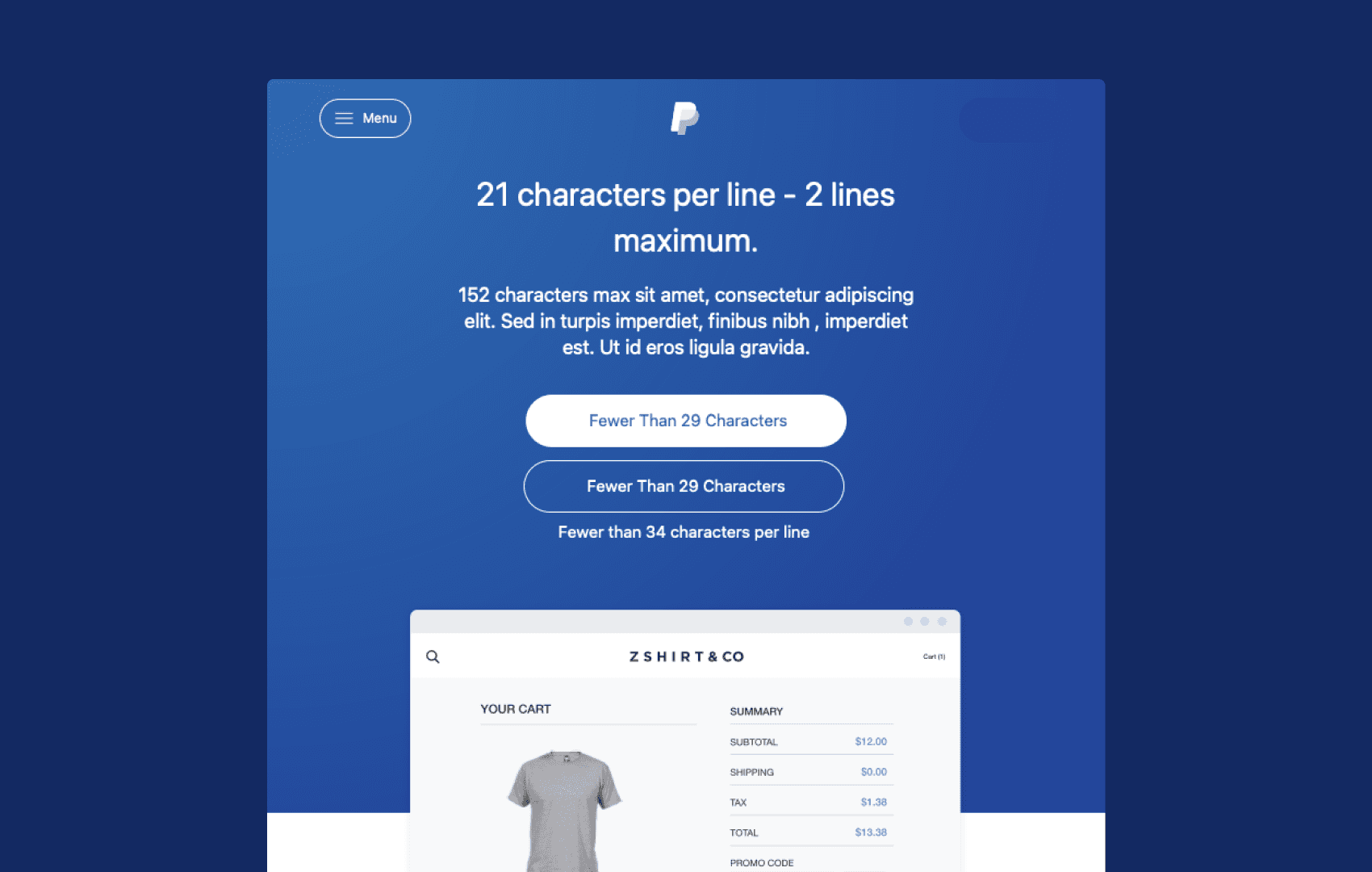
Built a unified design system for PayPal's Asia-Pacific web and email ecosystem, enabling faster campaign launches across multiple markets.
UI & UX Designer
8–12 months (multi-release)
2017
Fintech
Impact at a glance
40% faster
Campaign production
80+ consolidated
Email templates
8+ supported
APAC markets
The system provided a scalable foundation that grew alongside PayPal's APAC expansion, enabling more campaigns to ship during critical shopping seasons while maintaining brand consistency.
Context & Problem
As PayPal expanded rapidly across Asia-Pacific (Singapore, Malaysia, Philippines, Thailand, Indonesia, Hong Kong, Taiwan, Australia), regional teams needed to launch localized campaigns at high velocity while adhering to global brand standards. Existing web and email assets had evolved independently across markets, creating fragmentation that slowed execution and weakened brand consistency.
Fragmented design assets slowed campaign execution and weakened brand consistency across APAC:
- Operational friction: Designers spent 30-40% of time recreating components that already existed elsewhere
- Slow time-to-market: ~3-week production cycles caused teams to miss key shopping moments (e.g., Singles' Day, Lunar New Year)
- Inconsistent customer experience: Variations across markets reduced clarity and trust in the PayPal brand
- Scalability gap: PayPal's global system did not account for APAC needs such as promotional density, faster campaign cadence, and multilingual support (8+ languages)
Core issue
The problem wasn't purely visual; it was structural. Teams lacked discoverable, flexible, and well-documented components they could confidently reuse.
Constraints & Risks
- Global consistency vs regional flexibility: Localization without fragmenting brand identity
- Speed vs stability: Improve velocity without disrupting live campaigns during transition
- Legacy systems: Existing CRM and email infrastructure couldn't be completely rebuilt
- Distributed teams: Designers, engineers, and marketers across 8+ markets with varying technical capabilities
- Accessibility: WCAG 2.0 AA compliance required across all components
- Platform compatibility: Email templates needed to work across multiple clients (Gmail, Outlook, regional platforms)
Approach
- Framing: Audited web components and 80+ email templates across APAC to understand fragmentation patterns, workflow pain points, and discoverability issues. Conducted interviews with designers, shadowed marketing teams, gathered developer feedback.
- De-risking: Identified where global design patterns broke down under regional campaign demands (heavy promotional content, festival theming, localization edge cases). Analyzed templates built by different teams and vendors over multiple years.
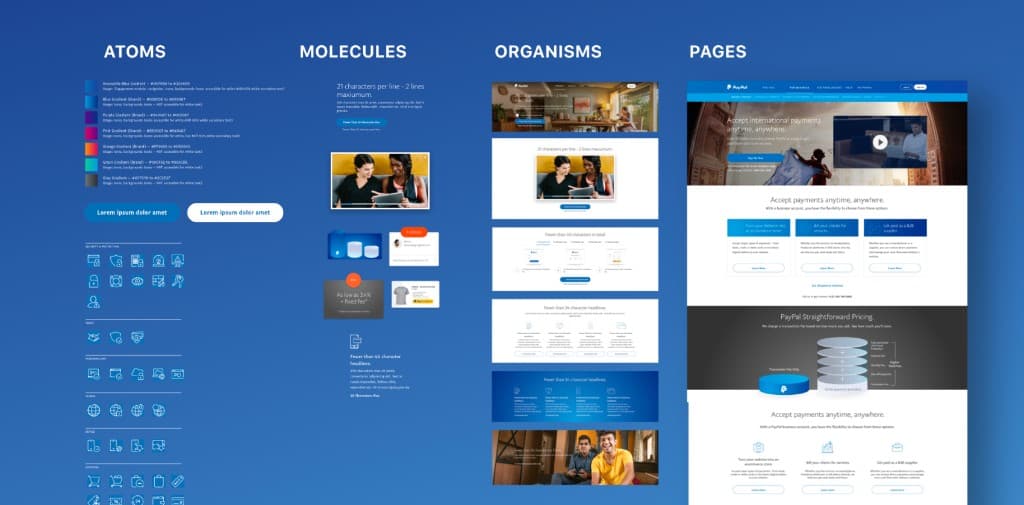
- Systemizing: Defined a modular component structure using atomic design principles (atoms, molecules, organisms, templates) to balance reuse and flexibility. Created design tokens for colors, typography, spacing across 8+ languages.
- Validating: Reviewed early patterns with designers, marketers, and engineers to ensure usability and feasibility. Pilot tested with Singapore team before broader rollout.
- Scaling: Designed components and templates to support multiple markets without redesign. Phased rollout across markets (Singapore Malaysia/Philippines Thailand/Indonesia/Hong Kong/Taiwan/Australia).
Key Decisions
- Templates over freeform layouts Accelerated campaign velocity and reduced approval cycles through pre-approved structures
- Modular blocks over monolithic designs Enabled mix-and-match localization without requiring designer involvement for every campaign
- Documentation as a first-class deliverable Adoption depended on clarity and discoverability, not just component quality
- Phased rollout over big-bang launch Reduced risk while maintaining campaign continuity and allowed iteration based on real usage
- Atomic structure Broke components into smallest reusable parts for maximum flexibility across diverse markets
Solution
A unified, modular design system supporting both web and email experiences across APAC.
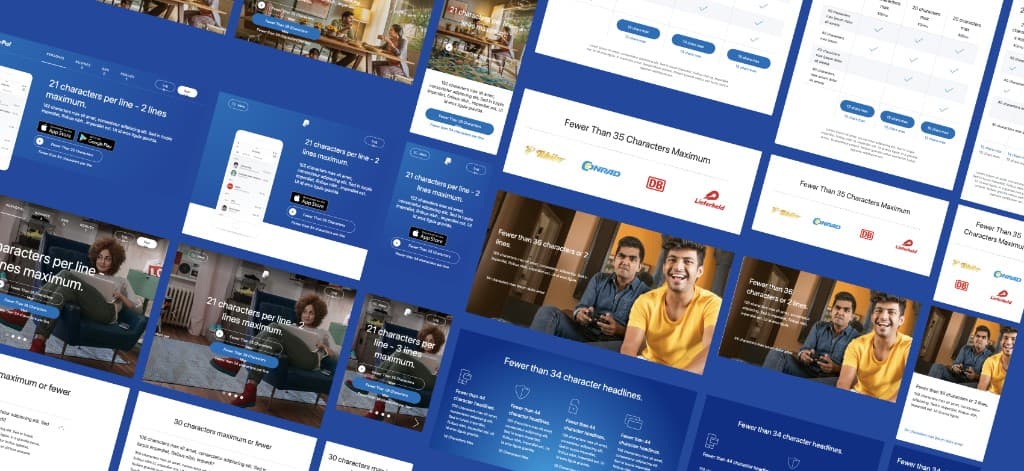
- Web: Standardized navigation, hero sections, content cards, and forms aligned with global PayPal brand; pre-approved landing page layouts with flexible content zones for localization; responsive patterns for mobile, tablet, and desktop
- Email: Refactored 80+ templates into reusable modules (header, hero variants, body blocks, CTA sections, footer); supported transactional, marketing, educational, and re-engagement use cases; ensured accessibility (WCAG 2.0 AA), localization support (8+ languages), and email client compatibility
- Documentation Hub: Component catalog with usage guidelines and do's/don'ts; accessibility checklist and testing procedures; localization playbook with language-specific considerations; marketing toolkit with campaign workflows and seasonal templates; Zeplin specs and design tokens for developer handoff
- Why it worked: Clear guardrails enabled speed without sacrificing brand integrity; pre-approved variants reduced back-and-forth and rework; single source of truth eliminated version chaos; atomic structure allowed teams to "snap together" campaigns quickly
Outcome
- Campaign production time reduced by 40% (from ~3 weeks to ~1.5 weeks average)
- Regional teams launched consistently across 8+ APAC markets
- Duplicate design work significantly reduced (30-40% time savings) through shared components
- Improved collaboration between design, marketing, and engineering with clearer handoffs
- More campaigns shipped = increased revenue opportunities during key shopping seasons
- Consistent brand experience strengthened PayPal's APAC market presence
- Better team morale as designers shifted from repetitive work to strategic initiatives
Sustaining
Established governance framework with design system working group (representatives from each market), contribution process for proposing new components, and regular syncs to share learnings. Created comprehensive documentation standards and training materials so regional teams could extend and maintain the system independently, reducing reliance on central design and supporting long-term evolution.
What I'd Do Next
Key lesson: Design systems succeed when flexibility is paired with strong guardrails, clear documentation, and shared ownership. Start with the highest pain points (email templates), invest heavily in adoption materials, and involve cross-functional partners early.
- Introduce component usage analytics to guide system evolution and identify underutilized patterns
- Invest in design-to-code automation to further reduce handoff friction
- Expand theming capabilities to support future multi-brand needs as PayPal's product portfolio grows
- Deeper CRM integration for personalized email campaigns at scale